Skip to content
  • About Us
    • Who We Serve
  • Solutions
    • HIPAA for Covered Entities
    • OSHA for Healthcare
    • HIPAA for Business Associates
    • SRA for Covered Entities
    • Abyde Incident Response Program
    • Abyde Reseller Program
  • Resources
  • News
  • Events
  • Partners
  • Contact Us
  • Login
    • HIPAA for Covered Entities
    • OSHA for Healthcare
    • HIPAA for Business Associates
    • SRA for Covered Entities
SIGN UP
BOOK A DEMO

Cybersecurity Awareness Month

October 1, 2020

Today may be the kickoff of Cyber Security Awareness month, but it’s never too early (though, possibly too late) to pay attention to the cyberthreats that surround independent practices.  

Now we know there’s probably plenty of other things that sound a little more exciting than cybersecurity – but the recent Cybersecurity Advisory from the Office for Civil Rights (OCR) highlights why having the right safeguards in place to secure your patient’s protected health information (PHI) is, well, kind of a big deal.

With the rapid increase of cyber threats due to COVID-19 already on your mind, here’s some key takeaways appropriate to cybersecurity awareness month to help your practice handle a suspected cyber threat like a pro:  

  • First things first, if any malicious activity is suspected, throw on your Sherlock Holmes hat and collect the “clues” – in this case any logs or data – that might be relevant to the threat. This could be anything from suspicious file names, to unusual authentications, to anti-virus alerts.
    • In order to know what you’re looking for, you have to first know where to look – which is why it’s recommended to have a regularly updated asset log documenting where sensitive data (and the threats to that data) are housed.
  • Overreacting, just like in real life, is NOT the right answer. Since we’re still wearing our Sherlock Holmes hats and collecting those all-important clues, keeping the attacker or threat actor in the dark lets you collect all the data you need (and keep that data intact) before your new nemesis is alerted and does more damage or hides their tracks before you have a chance to act.
    • If you’re in the midst of a suspected cyberattack, refer to the OCR’s recommended steps to best handle the incident. 
    • Because the data your practice houses includes sensitive PHI, having the proper backups of that data in case of a cyberattack is essential so no data is lost.
  • While that new detective hat looks pretty nice, it’s still important to leave some work to the experts. The OCR recommends soliciting incident response support from a third-party IT Security organization to ensure that the incident is mitigated properly and your practice can steer clear of any ‘follow-up’ threats.  

We know that channeling your inner investigator and hunting for clues does sound like fun but knowing how to handle a suspected breach is just the tip of the iceberg when it comes to cybersecurity. While there’s no sure-fire way to avoid falling victim to a cyberattack, you can implement various technical safeguards to reduce the risk. 

Having a strong defensive line isn’t just important for football (cybersecurity isn’t the only thing we’re excited about this month) – it’s also imperative to making it a bit harder to access your practice’s data. Having multiple barriers to entry and a better understanding of how to detect a threat is the best way to protect your practice and following the right process after an attack will help to mitigate the damage done.
RECENT POSTS

  • OSF Healthcare HIPAA Settlement
    What OSF Healthcare's Ransomware Fine Teaches Every Practice About SRAs
  • Spencer Gifts HIPAA Fine
    Spencer Gifts HIPAA Settlement: Ransomware, Risk Analysis, and What Comes Next
  • OCR Ransomware Settlements
    OCR Ransomware Settlements: 4 Massive HIPAA Fines from April 2026 & How to Avoid Them
PrevPreviousAbyde Chosen to Enhance Darkhorse Tech Dental Practice Users HIPAA Compliance Programs
NextOCR Levies 8th Patient Right of Access Fine, $160,000 Settlement Reached with St. Joseph’s Hospital and Medical CenterNext

Related posts

$250K HIPAA Fine for Data Breach
Fines, HIPAA

$250K HIPAA Fine for Data Breach: The High Cost of Ignoring Cybersecurity Threats

October 3, 2024 Penelope Schweitzer No comments yet

October 3, 2024 Ransomware remains a significant threat to the healthcare industry, causing nearly two-thirds of data breaches. The Office for Civil Rights imposed a $250,000 HIPAA fine on Cascade Eye and Skin Centers, which provides ophthalmology and dermatology care in Washington state. This fine highlights the ongoing impact of ransomware attacks on the healthcare sector and emphasizes the importance of protecting medical practices. What Happened?  In May 2017, hackers held almost 300,000 electronic Protected Health Information (ePHI) files at Cascade Eye and Skin Centers for ransom. The practice lacked essential safeguards, such as a thorough Security Risk Analysis and effective data access monitoring, leaving patient data vulnerable to malicious actors.  The Aftermath  The $250,000 fine is a stark reminder of the OCR’s commitment to enforcing HIPAA compliance against cybercrimes. Several ransomware fines have been levied in the past year, and unfortunately, this trend is expected to continue as ransomware attacks against healthcare organizations rise. In addition to the substantial fine, the practice is subject to a Corrective Action Plan (CAP), with the OCR overseeing Cascade Eye and Skin Centers as it implements necessary initiatives and measures to safeguard its operations from cybersecurity breaches. Protecting Your Practice While no healthcare practice can be completely immune to cyber threats, there are proactive steps you can take. By implementing preventive measures, you can stop cyberattacks before they impact your practice.  Implementing a comprehensive Security Risk Analysis can help identify vulnerabilities and inform your risk management strategy, providing a comprehensive overview of what your practice currently has in place. Encrypting data provides another layer of protection by making it inaccessible to unauthorized individuals. Firewalls and antivirus software can also act as barriers to malicious attacks.  Beyond technical safeguards, a well-developed Disaster Recovery Plan is essential for minimizing the impact of a breach. Having a plan in place can help ensure a swift and effective response to incidents and limit disruption to patient care. Remote access and support capabilities can also be critical in managing compromised systems and restoring operations quickly. As technology continues to transform the healthcare industry, your compliance program should also evolve. By utilizing automated software, you can streamline compliance efforts, receive expert guidance, and stay informed about the latest cybersecurity threats.  Schedule a consultation with a compliance expert to learn more about how software solutions can help protect your practice. 

HIPAA and Cybersecurity in Dentistry
Best Practices, HIPAA

HIPAA and Cybersecurity: A Dental Practice’s Guide to Compliance

September 19, 2024 Penelope Schweitzer No comments yet

September 19, 2024 Did you know that medical information is one of the most valuable pieces of information for hackers to obtain? A health record sells for ten times the amount compared to a credit card on the dark web. In today’s digital world, technology has brought significant advancements to how dental practices operate, from communicating with patients to reviewing dental records. However, it has also introduced new challenges related to practice safety. Implementing strong cybersecurity measures is crucial for protecting your patients. Let’s dive into how to safeguard your practice and keep your patients safe in today’s cyber world. Complete a Security Risk Analysis (SRA) A requirement under HIPAA, the Security Risk Assessment (SRA) sets a benchmark for your dental practice’s compliance. The SRA highlights risks your practice might face, including technical safeguards and recommended cybersecurity measures. By monitoring the existing measures, you can identify non-compliant gaps and learn best practices to better protect your organization. Establishing a strong foundation for your practice brings you one step closer to HIPAA compliance by showing you how to keep your patient data secure. Establish Access Controls One of the most common HIPAA violations is improper access to electronic Protected Health Information (ePHI). Robust access controls are essential to prevent this. Each staff member should have a unique login with permissions strictly aligned to their job duties. These logins should also require staff to change their passwords periodically, including at least eight characters with symbols, numbers, and lowercase and uppercase letters. This safeguards sensitive patient data and facilitates effective monitoring for potential security breaches. Additionally, monitoring employee activity helps ensure access privileges are used appropriately. Encrypt all ePHI Encryption, or encoding data so that it is unreadable by unauthorized users, is a staple of having strong cybersecurity measures in place for your practice. It should be used on all devices storing sensitive data and facilitating patient communication, ensuring that only authorized individuals can access it. Encrypted data and devices can protect sensitive information if a work laptop falls into the wrong hands. Another cybersecurity best practice is to enable remote deletion on the computer so that it can be wiped from another functioning device. Overall, encryption serves as an additional barrier to protecting patient data and keeping sensitive information secure in dental practices. Ensure Adequate Cybersecurity Training for All Staff  It is crucial to ensure that staff understand expectations and cybersecurity best practices to keep patient data safe. Training is important to help staff understand how to handle sensitive information and how to share ePHI (electronic protected health information) securely. Thorough training will empower staff to maintain the security of patient data and uphold the best cybersecurity practices, helping create a culture of compliance in your practice. Outsource IT Automating your HIPAA compliance program with secure software helps protect your practice and streamline compliance. Additionally, outsourcing your IT measures is another responsibility your organization can delegate to an expert team. Expert teams can monitor your cybersecurity health and provide penetration testing, emulating whether your practice can handle a hacking attack. With specialized healthcare IT support, your practice can rest assured that the proper firewalls, encryption, and other protections are in place to safeguard it. The Future of Cybersecurity in Dentistry Robust cybersecurity measures are essential in today’s dental industry. The OCR continues to lead cybersecurity efforts and is starting to impose fines on practices affected by cybercrimes. By ensuring that your dental practice is HIPAA compliant and follows cybersecurity best practices, you can protect your practice’s success and the safety of your patients’ information. To learn more about the best cybersecurity practices for your dental practice, schedule a HIPAA consultation with a compliance expert today. 

Simplifying HIPAA with Technology
Cybersecurity, HIPAA

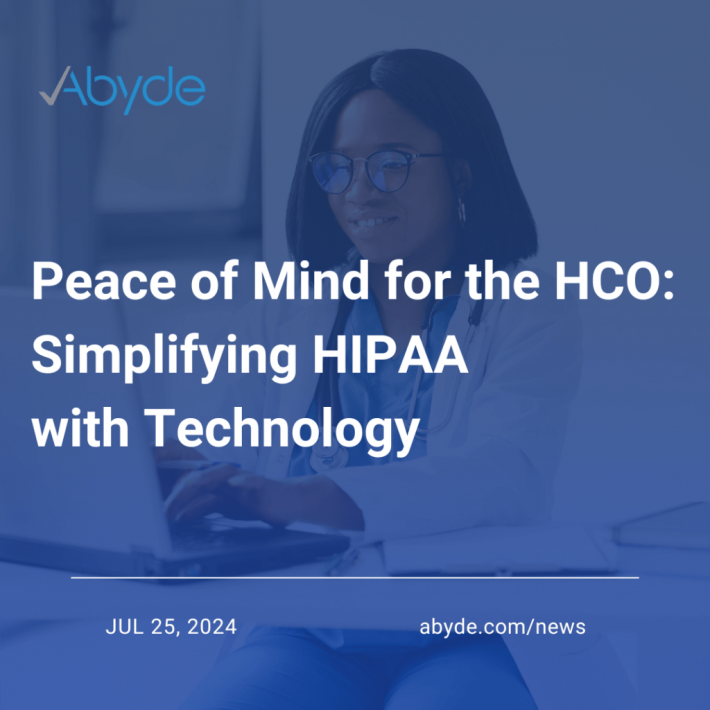
Peace of Mind for the HCO: Simplifying HIPAA with Technology

July 25, 2024 Gaurav Modi Comments Off on Peace of Mind for the HCO: Simplifying HIPAA with Technology

July 25, 2024 Running a small medical practice is a juggling act. Staff wear many hats, and HIPAA compliance often gets squeezed in amongst other tasks. Did you know that physicians spend an average of 10 to 19 hours per week on administrative duties such as HIPAA tasks? HIPAA legislation outlines how Covered Entities and Business Associates must handle and secure patient PHI (Protected Health Information).  Specifically, a HIPAA Compliance Officer (HCO) must be designated to ensure compliance maintenance. This is a significant yet essential role, and one that staff in a busy, small office have little time to attend to.  Here’s the good news: There are better ways to manage HIPAA compliance efficiently if you’re the HCO. Let’s explore the key duties of an HCO and how you can handle the numerous obligations that come with the role.  What is an HCO?  The HCO must ensure the practice follows HIPAA requirements and sufficiently follows all physical, administrative, and technical safeguards to protect sensitive patient data. Being an HCO is a significant role and crucial for patient data security. Many HCOs wear multiple hats within an organization, such as serving as the office manager or a doctor. This can sometimes feel overwhelming, but it’s important to remember that HIPAA compliance is a shared commitment. Just like a conductor leads an orchestra, the HCO sets the tone. However, like every musician, from the violinist to the triangle player, needs to play their part flawlessly, everyone in the organization must follow HIPAA rules to create a harmony of patient privacy. What is an HCO Responsible for?  The HCO role oversees everything related to a HIPAA program. This includes managing documentation, training, reviewing updated legislation, conducting the Security Risk Analysis, and much more.  As the HCO, you must ensure proper compliance with HIPAA regulations within your practice and serve as the primary resource for your staff regarding HIPAA concerns. You also need to uphold patient access rights and ensure patients receive their medical records promptly. In case of a HIPAA violation or breach, the HCO will investigate and report the situation to the Office for Civil Rights (OCR) accordingly. The HCO acts as the main point of contact for the OCR and serves as the liaison if further investigation is required. Sounds like a lot of work, right? The Cure for HCO Stress By now, you know the role of an HCO is complex and can be time-consuming, especially when the individual manages numerous roles in a practice.  The time spent on HIPAA tasks reduces the time available for patient care and other tasks. Inaccurate documentation due to human error can also lead to non-compliance with federal standards, adding stress and complexity to an HCO’s role. Many HCOs have their trusty HIPAA binder bursting with disorganized documentation. While this physical documentation might be an easy band-aid for an organization, as HIPAA continues to evolve, your binder should too. We can all agree there are much more enjoyable activities than handling HIPAA documentation. That’s where smart software solutions can streamline compliance for a practice. Instead of taking hours each week, this process can be reduced to minutes with intelligent software that can identify vulnerabilities and provide insights for improvement. That sounds a lot better, right?  To learn more about how to streamline your compliance program, saving time and cost and providing peace of mind for the HCO, schedule an educational consultation today with an Abyde expert. 

  • Facebook
  • Instagram
  • LinkedIn
  • YouTube
Abyde Logo

1.800.594.0883 | info@abyde.com

Automated HIPAA and OSHA Compliance

Our Reviews

From Our Blog
  • Don’t Get Caught Off Guard: HIPAA Audits are Back!
  • Don’t Be a Statistic: Why OSHA Compliance Matters in Healthcare
  • What Money Doesn’t Cover: The True Price of HIPAA Non-Compliance
  • HIPAA: It’s Not Just a Training – Your Guide to Continuous Compliance
Solutions
  • HIPAA for Covered Entities
  • OSHA for Healthcare
  • HIPAA for Business Associates
  • SRA for Covered Entities
  • Abyde Incident Response Program
  • Abyde Reseller Program
Resources
  • News
  • Events
  • Partners
  • HIPAA Badges
  • OSHA Badges
  • Learning Center
  • Compliance FAQs
Company
  • About Us
  • Who We Serve
  • Pricing
  • Contact Us
  • Newsletter
  • Jobs
  • COPYRIGHT © 2026 ABYDE
  • |

  • TERMS & CONDITIONS
  • |

  • PRIVACY POLICY
  • |

  • SECURITY MEASURES
  • |

  • E-SIGNATURE TERMS